Functional Upgrades That Help Prevent Costly HVAC Repairs
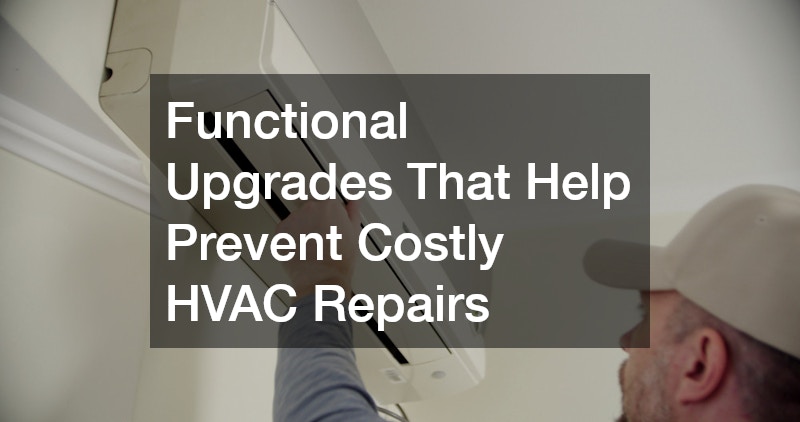
Homeowners often think of HVAC systems as something that should simply work in the background, quietly keeping indoor spaces comfortable. However, without the right care and attention, even well-built systems can develop issues that lead to expensive repairs or premature replacement. That’s where functional upgrades come into play. These improvements go beyond basic maintenance by enhancing how systems operate, improving efficiency, and reducing wear over time. When applied strategically, functional upgrades can significantly extend the lifespan of heating and cooling equipment while helping to avoid sudden breakdowns.
Understanding how these upgrades fit into your overall home system is essential. From improving airflow and filtration to optimizing fuel use and system performance, each upgrade plays a role in preventing common problems. Working with a reputable air conditioner company and investing in consistent Heating services can make a noticeable difference in both performance and long-term costs. Whether it’s addressing minor inefficiencies or upgrading outdated components, homeowners who prioritize functional upgrades often experience fewer disruptions and more predictable energy expenses. By exploring the options available, you can take control of your system’s reliability and reduce the risk of costly HVAC repairs.
What Is System Treatment And Why Is It Important?
Benefits Of Boiler System Treatment
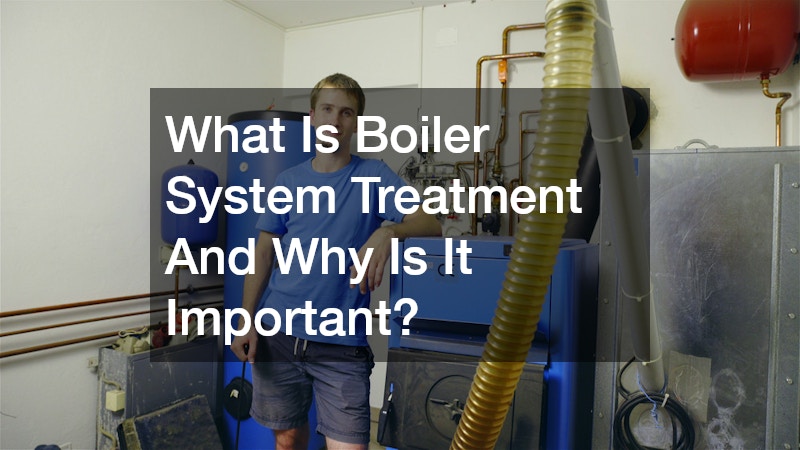
Boiler system treatment is one of the most overlooked yet impactful functional upgrades for homes that rely on boilers for heating. Boiler installations can go smooth, but over time, water circulating through a boiler can introduce minerals, oxygen, and other contaminants that lead to corrosion and scale buildup. These issues reduce efficiency and can cause internal components to fail prematurely. By applying proper boiler system treatment, homeowners can protect their systems from these damaging effects and maintain consistent performance throughout the year.
In addition to preventing internal damage, boiler system treatment helps improve heat transfer efficiency. When scale builds up on heat exchange surfaces, the system has to work harder to produce the same level of heat, increasing energy consumption. This not only raises utility bills but also puts unnecessary strain on the system. Functional upgrades like water conditioning and chemical treatments ensure that the boiler operates as intended, delivering steady heat without excessive wear. Over time, this translates into fewer service calls and a longer system lifespan.
Common Boiler System Issues Prevented By Treatment
Without proper boiler system treatment, several common issues can arise that lead to costly repairs. One of the most frequent problems is scale buildup, which restricts water flow and reduces heat transfer efficiency. This can cause uneven heating throughout the home and force the boiler to run longer cycles, increasing wear on key components. Functional upgrades that address water quality help eliminate this risk before it becomes a serious concern.
Corrosion is another major issue that untreated boilers face. Oxygen in the water can react with metal surfaces inside the system, leading to rust and eventual leaks. Once corrosion takes hold, repairs can be complex and expensive, often requiring replacement parts or even a full system upgrade. Preventive measures like boiler system treatment act as a protective barrier, minimizing the chances of internal damage.
How To Choose A Reliable Air Conditioner Company?
Key Factors To Consider When Selecting A Company
Choosing the right air conditioner company is an essential step in maintaining a dependable HVAC system. Not all service providers offer the same level of expertise or customer care, so it’s important to evaluate your options carefully. One of the first things to look for is proper licensing and certification. A qualified air conditioner company should meet industry standards and have technicians who are trained to handle a variety of systems and situations.
Customer reviews and testimonials can also provide valuable insight into a company’s reliability. Consistent positive feedback often indicates that the company delivers quality work and stands behind its services. Functional upgrades are only as effective as the professionals installing and maintaining them, so choosing a trusted provider is key to ensuring long-term results. Homeowners should also consider whether the company offers comprehensive Heating services in addition to cooling support, as this allows for a more integrated approach to system care.
Importance Of Regular Maintenance Services
Regular maintenance is one of the most effective ways to prevent costly HVAC issues. Even the best systems require periodic inspections and adjustments to operate at peak efficiency. Scheduling routine service with a reliable air conditioner company ensures that small problems are addressed before they escalate into major repairs. This proactive approach is a cornerstone of functional upgrades and long-term system health.
During maintenance visits, technicians can clean components, check for wear, and make necessary adjustments to keep the system running smoothly. These services often include inspecting filters, testing airflow, and verifying that all parts are functioning correctly. Neglecting these tasks can lead to reduced efficiency and increased strain on the system, eventually resulting in the need for ac repair or Heating repair.
What Should Homeowners Know About Heating Repair?
Signs Your Heating System Needs Repair
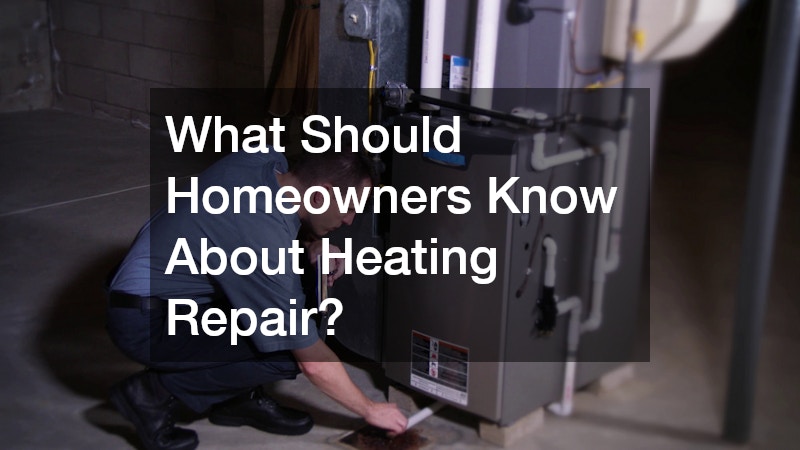
Recognizing the early signs of heating system problems can make a significant difference in preventing major issues. One of the most common indicators is uneven heating throughout the home. If certain rooms feel colder than others, it may signal a problem with airflow or system performance. Addressing these issues promptly with professional Heating repair can prevent further complications.
Unusual noises are another warning sign. Banging, rattling, or squealing sounds often indicate loose or worn components that need attention. Ignoring these noises can lead to more serious damage over time. Functional upgrades that improve system stability and airflow can help reduce these issues, but timely repairs are still essential when problems arise.
Cost-Effective Heating Repair Solutions
When it comes to Heating repair, timing is everything. Addressing issues early is almost always more cost-effective than waiting until a system fails completely. Minor repairs are typically less expensive and can prevent more extensive damage. Functional upgrades, such as improved insulation or updated components, can further reduce the likelihood of recurring problems.
When Is AC Repair Necessary?
Common AC Issues And Their Symptoms
Air conditioning systems often show clear signs when something isn’t working as it should. One of the most noticeable issues is reduced cooling performance. If your system struggles to maintain the desired temperature or runs continuously without effectively cooling the space, it may be time to consider ac repair. Functional upgrades that improve airflow or system controls can help, but underlying mechanical issues still need to be addressed promptly.
Another common symptom is poor airflow coming from vents. This can be caused by clogged filters, duct obstructions, or failing components within the unit. In some cases, outdated filtration systems can restrict airflow, which is why functional upgrades like modern air filter pods can make a meaningful difference. These upgrades help maintain consistent airflow while reducing strain on the system, lowering the likelihood of breakdowns.
Understanding AC Repair Costs
The cost of ac repair can vary widely depending on the nature of the issue and the components involved. Minor fixes, such as replacing a capacitor or cleaning coils, are generally more affordable than major repairs like compressor replacement. Functional upgrades can help reduce these costs over time by improving system efficiency and preventing excessive wear on critical parts.
Labor costs also play a significant role in overall repair expenses. Choosing a qualified air conditioner company with transparent pricing helps homeowners understand what they are paying for and why. In many cases, investing in preventive Heating services and cooling maintenance can significantly reduce the frequency of costly repairs.
The Role Of Heating Oil In Efficient Heating Systems
Choosing The Right Heating Oil For Your System
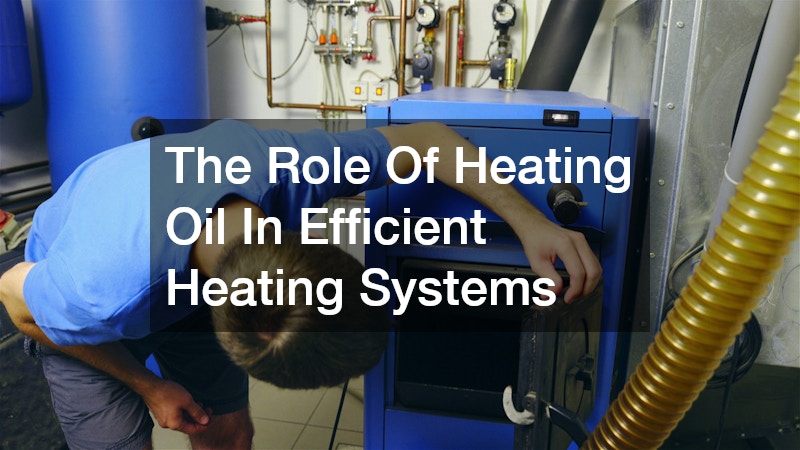
Heating oil remains a reliable fuel source for many homes, particularly in colder regions. Choosing the right type of heating oil is essential for maintaining system efficiency and minimizing maintenance needs. Modern heating oil options are designed to burn cleaner and produce fewer emissions, which helps reduce buildup inside the system and supports better overall performance.
Functional upgrades that optimize fuel use can make a significant difference in how efficiently heating oil is consumed. For example, improved burner technology and system controls allow for more precise temperature regulation, reducing waste and improving comfort. These upgrades work best when paired with consistent Heating services to ensure that all components are operating as intended.
Saving Money On Heating Oil Consumption
Reducing heating oil consumption is a priority for many homeowners looking to manage energy costs. One of the most effective strategies is improving system efficiency through functional upgrades. Upgraded thermostats, better insulation, and optimized airflow all contribute to more efficient fuel use, helping to lower overall expenses.
Regular maintenance also plays a crucial role. Clean systems burn heating oil more efficiently, which means less fuel is needed to achieve the desired temperature. Scheduling routine Heating services ensures that burners, filters, and other components are functioning properly. This not only saves money but also reduces the risk of unexpected system failures.
What To Expect From Heating Oil Delivery Services?
Scheduling Regular Deliveries
Reliable heating oil delivery is essential for maintaining consistent home comfort, especially during colder months. Running out of fuel can lead to system shutdowns and potential damage, making it important to plan ahead. Scheduling regular heating oil delivery ensures that your system always has the fuel it needs to operate efficiently.
Functional upgrades can complement delivery services by improving fuel efficiency and reducing the frequency of deliveries. For example, advanced monitoring systems can track fuel levels and usage, allowing homeowners to schedule deliveries more accurately. These upgrades help prevent both shortages and over-ordering, creating a more balanced approach to fuel management.
Delivery Options Automatic Vs On Demand
Homeowners typically have two main options for heating oil delivery: automatic and on-demand. Automatic delivery services monitor your usage and schedule refills as needed, eliminating the need to track fuel levels manually. This option is convenient and helps ensure that you never run out of heating oil, especially during periods of high demand.
On-demand delivery, on the other hand, gives homeowners more control over when and how much fuel they purchase. This approach can be beneficial for those who closely monitor heating oil prices and want to take advantage of favorable rates. However, it requires more attention and planning to avoid running low on fuel.
How Do Heating Oil Prices Affect Homeowners?
Understanding Fluctuations In Heating Oil Prices
Heating oil prices can vary significantly due to a range of economic and environmental factors. Supply and demand, geopolitical events, and seasonal changes all play a role in determining costs. During colder months, increased demand often leads to higher heating oil prices, which can impact household budgets.
Functional upgrades can help mitigate the effects of these fluctuations by improving system efficiency and reducing overall fuel consumption. When your system uses less heating oil to maintain comfort, you are less affected by price increases. This makes upgrades a valuable investment for long-term cost control.
Tips For Managing Heating Costs
Managing heating costs requires a combination of smart planning and efficient system operation. One of the most effective strategies is investing in functional upgrades that reduce energy waste. Improved insulation, modern thermostats, and optimized system components all contribute to lower fuel consumption and reduced expenses.
Regular maintenance is equally important. Clean and well-maintained systems operate more efficiently, which means less heating oil is needed to achieve the same level of comfort. Scheduling routine Heating services ensures that your system remains in good condition and helps prevent costly Heating repair down the line.
The Importance Of Air Filter Pods In HVAC Systems
How Air Filter Pods Improve Indoor Air Quality
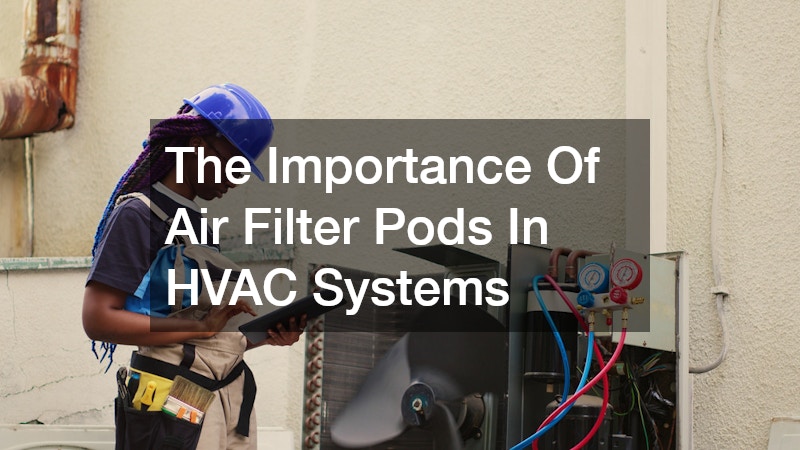
Air filter pods are a valuable addition to modern HVAC systems, offering improved filtration and better indoor air quality. These advanced filters are designed to capture a wide range of airborne particles, including dust, pollen, and allergens. By reducing the presence of these contaminants, air filter pods create a healthier living environment and support overall system performance.
Functional upgrades that include high-quality filtration systems can also enhance airflow and reduce strain on HVAC components. When air moves more freely through the system, it requires less energy to maintain the desired temperature. This not only improves efficiency but also reduces the likelihood of needing ac repair or Heating repair.
Maintenance Tips For Air Filter Pods
Proper maintenance is essential for getting the most out of air filter pods. Over time, filters can become clogged with debris, reducing their effectiveness and restricting airflow. Regularly checking and replacing filters ensures that your system continues to operate efficiently and provides consistent indoor air quality.
The frequency of replacement depends on several factors, including system usage and environmental conditions. Homes with pets or higher levels of dust may require more frequent changes. Incorporating filter maintenance into routine Heating services and cooling check-ups helps ensure that nothing is overlooked.
Ultimately, investing in functional upgrades is about creating a system that works smarter, not harder. With the right combination of maintenance, professional support, and targeted improvements, homeowners can enjoy consistent comfort while minimizing unexpected expenses. Over time, these efforts add up to significant savings and a more dependable home environment.
