Protect Your Yard and Foundation Before Storm Season

The unpredictable power of seasonal storms is a force that homeowners must never underestimate. Torrential rain, sustained high winds, and rapid temperature shifts can devastate an unprepared property within hours. While it is tempting to assume your house will weather the season as always, structural integrity degrades over time. Minor vulnerabilities that seem trivial on a clear afternoon quickly become failure points under the severe pressure of turbulent weather.
Proactive, preventative maintenance is consistently cheaper and less stressful than reactive emergency repairs. Waiting for a crisis forces you to compete with hundreds of neighbors for limited contractors, materials, and municipal help. Regional supply shortages quickly drive up the cost of basic building materials and equipment. Taking control of your property defenses before severe weather arrives protects your financial security and your family.
By evaluating your landscaping, reinforcing foundation grading, and inspecting interior plumbing, you establish a resilient defense against the elements. From high canopy branches to subterranean utility lines, every detail matters. Use these field-tested recommendations to safeguard your investment and keep your property secure and dry.
Assess and Manage Canopy Risks
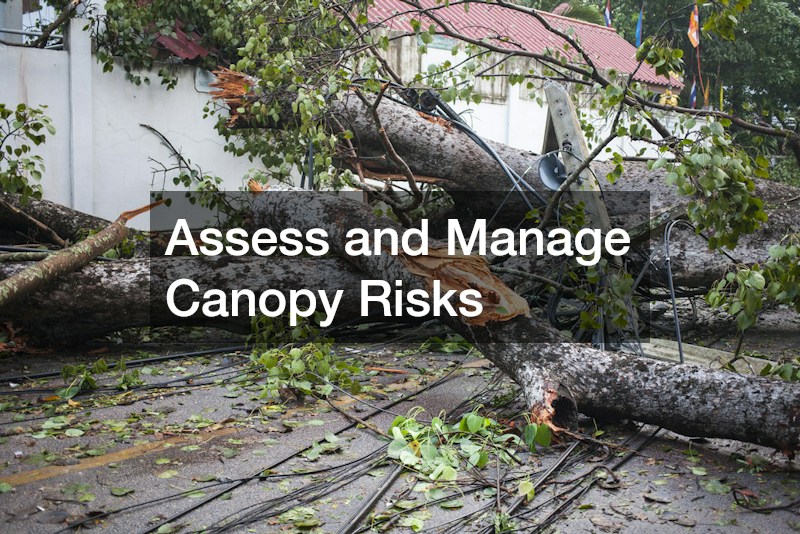
When preparing for severe weather, look up first at the mature tree canopy across your property. High winds easily snap dead or rotting limbs, transforming them into heavy projectiles that can puncture roofing, shatter windows, or destroy outdoor air conditioning units. Inspect large oaks, pines, and maples for fungal growth or trunk fissures. If you spot a compromised tree leaning toward your home or power lines, hiring professionals for hazardous tree removal is an essential investment before storm season begins. Removing dangerous trees early prevents personal injury and avoids costly disputes with home insurance adjusters.
Next, examine smaller vegetation close to your home. Trim healthy branches away from exterior siding and roof edges, as wind-blown limbs scrape away protective paint, caulk, and sealants. Once bare wood is exposed, moisture intrusion and insect damage follow quickly. Dense branches also block natural airflow, slowing the drying process after rainfall and accelerating wood rot. Maintaining a clean perimeter around your home allows high winds to move freely around exterior walls without snagging on overgrown shrubs.
- Keep branches at least ten feet away from your roof to deter pests and reduce gutter debris.
- Prune limbs just outside the branch collar so the tree seals naturally without rot.
- Thin foundation bushes to allow sunlight and fresh air to reach exterior walls.
- Inspect root zones, as aggressive roots can crack and displace concrete foundation walls.
Fortify Your Property’s Surface Drainage
Protecting your foundation requires understanding soil slope and water management. Earth around your foundation should slope steadily away from the structure to prevent standing water. Over time, settled soil often forms a depression that directs runoff toward basement walls. A proven solution for severe moisture issues is installing gravel-packed French drains throughout the yard. By digging a dedicated trench, lining it with fabric, and placing perforated pipe wrapped in stone, you collect groundwater and channel it safely away from structural footings.
While subsurface pipes manage groundwater, your roof drainage system handles direct storm downpours. Gutters and downspouts must capture rainfall and direct it far beyond your foundation perimeter. If gutters are filled with leaves, water spills over and pools against basement walls. An average roof sheds roughly one thousand gallons of water per inch of rain, meaning a single clogged downspout can saturate the soil and crack masonry. Routine clearing ensures rainwater flows smoothly into designated runoff areas.
- Grade soil so it drops at least six inches across the first ten feet from your home.
- Clean gutters thoroughly with a stable ladder and standoff stabilizer to avoid bent metal.
- Check gutters for shingle grit, which indicates worn roofing that needs repair.
- Attach downspout extensions to deposit rainwater ten feet away from foundation walls.
Seal and Stabilize Exterior Hardscapes
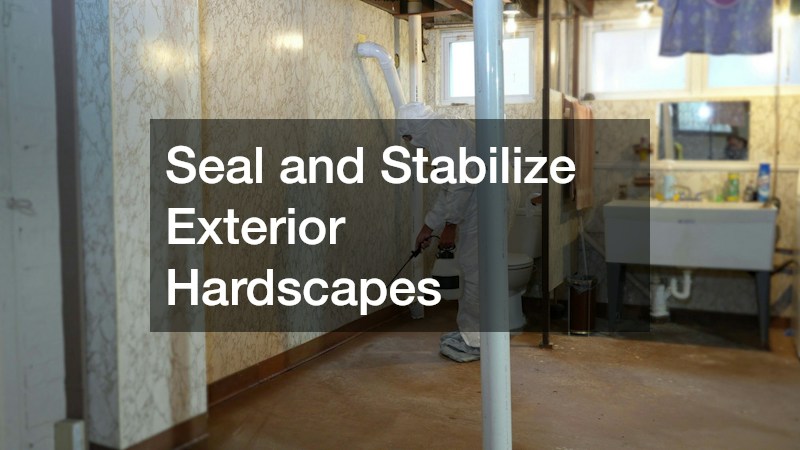
Damaged paved surfaces often redirect storm runoff toward your home. Concrete driveways, walkways, and patios settle unevenly over time due to soil erosion and freeze-thaw cycles. When concrete sinks toward your foundation, it funnels rainwater straight into basement walls. Before storm season arrives, examine all exterior flatwork for negative slope or cracking. If slabs pitch toward the house, partnering with a local concrete company to mudjack the concrete restores the proper pitch and shields your basement from moisture. This process injects expanding material beneath the slab, raising it safely.
Sealing surface cracks in concrete is another essential maintenance task. When water enters hairline fissures and freezes, expanding ice widens the gaps and breaks apart the concrete. Sealing these joints protects your flatwork and stops water from eroding soil around your foundation footings. Cracks near steps or porch slabs also allow pressurized water to seep down foundation walls, degrading waterproof coatings. Cleaning and filling these gaps creates a durable barrier against rain.
- Clean cracks thoroughly with a wire brush and compressed air before caulking.
- Place foam backer rods in gaps wider than a quarter inch to support sealant.
- Use flexible, self-leveling polyurethane caulk designed for exterior concrete expansion.
- Seal expansion joints between patios and foundation walls to stop downward water seepage.
Safeguard Subterranean Wastewater Systems
Homes with private waste systems face distinct hazards during severe storms. When torrential rains soak your lawn, the saturated earth cannot absorb additional wastewater. Check the ground above your buried septic tank for pooling water, spongy ground, or sewage smells. These signs indicate saturated soil that can cause system failure. If the system backs up, wastewater can reverse into your home plumbing, causing severe property damage and serious health hazards.
Preventing plumbing backups during wet periods requires planning. Scheduling an inspection and pumping with certified septic services ensures your system has adequate capacity before storm season begins. Emptying solids prevents wet ground from overwhelming the tank and forcing waste upward. Technicians also verify that inlet and outlet baffles are intact, ensuring solids do not escape into the drain field and permanently ruin absorption trenches.
- Keep heavy machinery and vehicles off drain fields to avoid crushing underground pipes.
- Direct gutter downspouts away from drain fields to avoid oversaturating the soil.
- Conserve water during heavy storms by postponing laundry and taking shorter showers.
- Check tank risers to confirm lids are sealed and secure against surface water runoff.
Inspect and Reinforce Indoor Plumbing

Exterior storm readiness must be paired with thorough interior plumbing maintenance. Pipes passing through exterior walls or unheated crawlspaces are vulnerable to sudden cold snaps and shifting pressure. Because microscopic leaks behind drywall cannot be seen, hiring a specialized leak detection service is a smart precaution. Technicians use thermal imaging and acoustic sensors to pinpoint pinhole leaks before severe weather causes a pipe to burst. Addressing minor plumbing flaws early protects walls and preserves water pressure.
Every person in your household should know how to shut off the main water line during an emergency. Make sure the main valve is labeled and turns easily without sticking. If a pipe ruptures during high winds or freezing temperatures, shutting off the supply immediately prevents extensive water damage to floors, subflooring, and drywall. Spending a few minutes to test and lubricate this valve gives you complete control during a storm crisis.
- Disconnect garden hoses from spigots before freezing temperatures arrive.
- Insulate exposed pipes in attics, garages, and crawlspaces with foam sleeves.
- Keep the area around your main water shut-off valve clear for rapid emergency access.
- Open under-sink cabinets during bitter cold snaps to let warm room air circulate through pipes.
Waterproof and Prepare Lower Living Spaces
Basements and crawlspaces are inherently vulnerable during heavy rains, requiring focused attention. Test your primary sump pump by pouring water into the pit to verify that the float switch activates properly. Installing a battery backup system ensures pumping continues even when severe weather downs local power lines. If you plan to finish your lower level for living space, working with professional basement remodeling companies helps you identify necessary drainage and waterproofing upgrades before finishing work begins. Experts ensure proper moisture barriers and escape windows are installed correctly.
Window wells are another common area where stormwater breaches basement walls. When drains in window wells clog with leaves and soil, rainwater pools quickly and pushes against the glass. Installing polycarbonate covers shields wells from driving rain while preserving natural sunlight. Inspecting caulking around window frames prevents water from seeping through exterior wall joints. Keeping these openings clear and well sealed prevents sudden flooding in finished rooms.
- Clear leaves and gravel from window wells to keep drainage paths open.
- Fit clear covers over basement window wells to deflect rain and snow.
- Store valuable possessions and electronics on elevated shelving units off the floor.
- Confirm your sump pump discharge hose extends at least twenty feet away from the home.
Establish an Immediate Flood Recovery Plan

Even thorough preparations cannot prevent every emergency, making a clear recovery plan necessary. If floodwaters enter your home, the first twenty-four hours determine whether building materials can be salvaged. Storing contact information for a trusted water damage restoration company enables you to request emergency extraction crews immediately. Professional technicians use high-powered pumps, commercial air movers, and dehumidifiers to remove moisture from structural framing before wood rot occurs. Fast action minimizes repair expenses and preserves home structural stability.
Water intrusion also creates prime conditions for toxic mold growth. Within forty-eight hours, damp drywall, insulation, and carpet padding can begin harboring hazardous spores. To protect your family’s health and prevent widespread airborne contamination, contacting specialists for local mold removal is essential. Certified remediators build containment zones, treat damaged materials with antimicrobial solutions, and utilize HEPA filtration to clean indoor air. Prompt remediation stops spores from entering heating and cooling ducts.
- Switch off electrical power to wet rooms before stepping into standing water.
- Take clear photographs and video of flooded spaces and damaged items for insurance claims.
- Wear protective rubber boots, thick gloves, and N95 masks during cleanup.
- Remove wet carpets and baseboards quickly to help framing dry out thoroughly.
Refresh the Interior After Severe Weather
After severe weather clears and the building is deemed secure, homeowners must address interior cleaning. Days of storm preparation, foot traffic, and sheltering indoors leave floors muddy and rooms dusty. Scheduling comprehensive house cleaning services is an efficient way to sanitize your home, clean soiled entryways, and remove storm grime from carpets and furniture. Professional cleaning restores indoor comfort and hygiene quickly, allowing your family to concentrate on yard cleanup and daily routines.
Improving indoor air quality is the final step in post-storm recovery. Strong winds drive dust, pollen, and debris through tiny gaps around windows and vents. Your heating and cooling system circulates these particles until filters are changed. Swapping old air filters for high-efficiency pleated options captures lingering dust and reduces strain on your blower motor. Wiping down surfaces and ventilating living areas restores fresh air throughout your home.
- Replace HVAC filters with high-MERV pleated filters to catch storm-related dust.
- Wipe down window sills, fans, and shelving with damp microfiber cloths.
- Operate HEPA air purifiers in bedrooms to clean lingering airborne particles.
- Inspect attic spaces for water stains on roof sheathing and damp insulation.
A well-maintained house is a resilient house. Regular maintenance gives you the confidence to face volatile weather patterns without fearing catastrophic property damage or sudden financial strain. While seasonal storms constantly test your exterior defenses, checking the canopy, improving surface drainage, and leveling hardscapes are valuable investments that pay off during heavy rainfall. Taking proactive steps allows you to schedule repairs on your own terms rather than paying premium emergency rates.
Protecting your yard and foundation safeguards your property’s long-term market value. Homes that manage runoff properly, avoid foundation settlement, and maintain dry basements retain higher equity and lower repair costs over time. More importantly, maintaining a sturdy house gives your family a safe, comfortable shelter throughout any severe storm event.
Use these recommendations to build your seasonal storm maintenance checklist. Tackle projects step by step, progressing steadily from the upper tree branches down to your indoor plumbing lines. Taking ownership of your property defenses today guarantees peace of mind when bad weather arrives.