How to Plan Renovations Around Urgent Repairs

Renovation planning usually starts with the exciting parts: brighter rooms, better storage, updated finishes, improved curb appeal, or outdoor spaces that finally feel useful. But homes do not always follow the order homeowners prefer. A project that seems simple can uncover moisture, aging systems, unsafe entry points, or exterior issues that should have been handled first.
That does not mean every improvement needs to stop until the entire house is perfect. It means renovation planning works best when urgent repairs are treated as part of the plan, not as interruptions. When you understand what needs attention first, you can spend money in a smarter order, protect finished work, and avoid paying twice for the same area.
The goal is to create a practical sequence: stabilize the home, protect it from damage, improve function, and then focus on appearance. That approach may not feel as exciting at first, but it leads to better results and fewer stressful surprises.
Assessing the Home Before Setting the Schedule
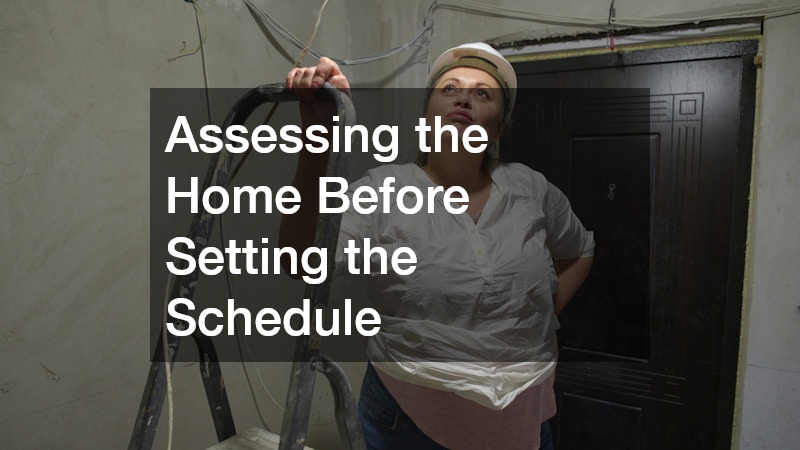
Before choosing project dates or comparing materials, take a full walk-through of the property. Look at the home as one connected system instead of separate rooms. A problem outside can affect a project inside. A comfort issue can make a finished space less enjoyable. A hidden leak can undo cosmetic upgrades almost immediately.
Start indoors. Notice uneven temperatures, stains on ceilings, musty smells, soft flooring, drafts, or unusual system noises. Then move outside and look for damage around the roofline, siding, foundation, walkways, and yard. Overhanging limbs, unstable branches, or trees too close to the home can create risks for future exterior work, so scheduling tree service early may help prevent avoidable damage.
Mechanical systems should also be checked before major interior updates. A heating inspection can reveal safety concerns, efficiency problems, airflow issues, or aging equipment before you invest in rooms where comfort matters. If a finished basement, bedroom, or living area will be upgraded, it makes sense to know whether the system supporting that space is reliable.
Sort your findings into three groups: urgent problems, preventive repairs, and optional improvements. This simple step helps you avoid spending heavily on appearance while ignoring issues that could damage the finished project.
Ranking the Work by Risk and Timing
Once you know what condition the home is in, rank projects by risk rather than excitement. The best-looking renovation can still become frustrating if a major repair is ignored.
Ask what will happen if each issue waits three months, six months, or a year. Some problems are inconvenient but stable. Others can worsen quickly, damage surrounding areas, or affect daily routines. Safety concerns, active leaks, moisture problems, and failing systems should usually come before cosmetic upgrades.
For example, water heater repair should be addressed before updates near utility spaces, bathrooms, laundry rooms, or lower-level flooring. A small issue can become a larger problem if it affects water access or causes damage near newly finished materials.
Comfort systems matter too. If the home struggles during hot weather, AC repair may need to happen before summer projects, insulation improvements, or renovations that require contractors to work indoors for long periods. A newly improved room will not feel successful if the space remains uncomfortable.
A practical order often looks like this:
- Safety concerns
- Active water or moisture problems
- Failing mechanical or plumbing systems
- Exterior protection issues
- Functional upgrades
- Cosmetic improvements
This order can change depending on the home, but it gives you a reliable way to make decisions when the budget is limited.
Protecting the Exterior Before Improving the Interior
Interior renovations are satisfying because you see the results every day. New paint, flooring, lighting, or cabinetry can change how a home feels. But if the exterior is not protecting the structure, interior updates may be at risk.
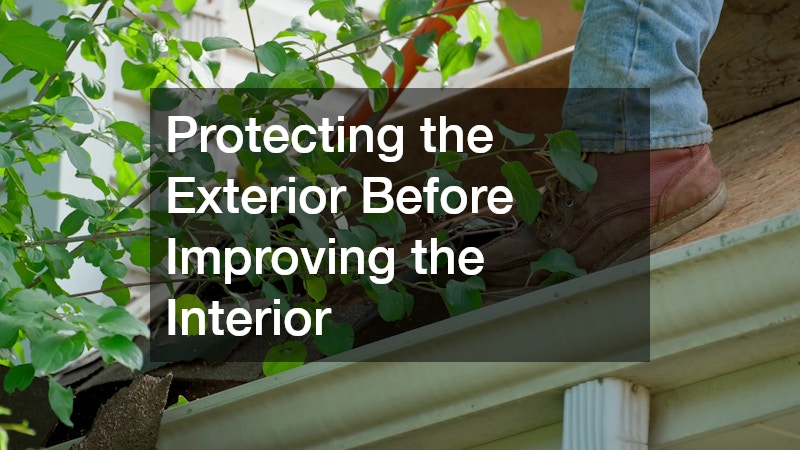
The outside of the home is the shield for everything inside. When that shield has weaknesses, water and weather can damage drywall, insulation, flooring, trim, and furniture. That is why exterior concerns should be reviewed before major indoor projects begin.
If there are repeated ceiling stains, missing shingles, sagging areas, or leaks after storms, roof replacement may need to come before attic work, ceiling repairs, or upper-floor renovations. Even a small roof problem can ruin new paint or create hidden moisture behind finished surfaces.
Drainage is just as important. Poor water flow around the house can affect foundations, basements, crawl spaces, siding, and landscaping. Gutter installation may not be the most exciting project, but it can protect the rest of the renovation by directing water away from vulnerable areas.
Before starting interior work, look for warning signs such as:
- Stains that return after rain
- Peeling paint near exterior walls
- Musty odors in basements or closets
- Water is pooling near the foundation
- Damaged trim, siding, or roof edges
If these signs are present, investigate them first. A short delay can prevent expensive rework later.
Improving Efficiency After Addressing Structural Needs
Energy-saving upgrades can be a smart part of a renovation, especially in homes with drafts, uneven temperatures, or high utility costs. But timing matters. Efficiency improvements work best when the surrounding structure is sound.
Window replacement is a good example. New windows can improve comfort, reduce drafts, and refresh the home’s appearance, but they should be planned around frame condition, moisture damage, siding issues, and interior finish work. If the surrounding wall or trim is damaged, that problem should be corrected during the project rather than covered up.
It also helps to schedule window work before painting, trim installation, new window treatments, or nearby flooring. Otherwise, finished surfaces may need touch-ups or repairs after the windows are installed.
The same thinking applies to insulation, sealing, and ventilation improvements. Do not invest in performance upgrades while ignoring active leaks, damaged framing, or mechanical problems that reduce the benefit.
A useful question is: Will another repair disturb this upgrade later? If the answer is yes, change the order. Good sequencing prevents wasted labor and helps efficiency upgrades perform as intended.
Strengthening Safety Before Refining Appearance
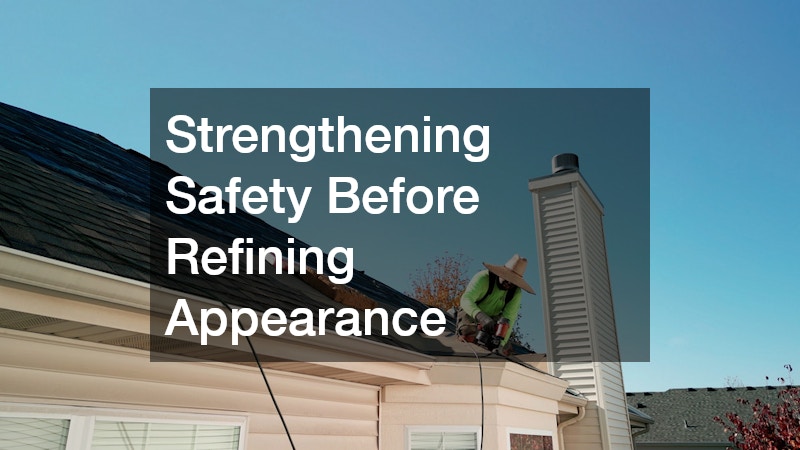
Safety repairs are easy to overlook because homeowners get used to them. A loose step, dim walkway, unstable handhold, or uneven entry may feel normal after years of daily use. Renovation planning is the right time to notice those risks again.
Focus on how people actually move through the home. Where do guests enter? Where do children run? Where might an older relative need support? Where do you carry groceries, laundry, or tools?
Railings are a practical example. If they are loose, rusted, poorly anchored, missing, or uncomfortable to use, they should be addressed before porch, stair, deck, or entryway updates. A refreshed space that still feels unsafe is not a complete success.
Walk through the home as if you are visiting for the first time. Open the front door at night. Step down into the basement with something in your hands. Walk across exterior stairs after rain. These small tests can reveal safety issues that should be included in the renovation plan.
The good news is that safety upgrades do not have to look purely functional. They can improve curb appeal, accessibility, and daily comfort while also reducing risk.
Sequencing Outdoor Projects to Prevent Rework
Outdoor renovations require careful scheduling because many projects depend on access. Equipment, materials, digging, trimming, and cleanup all need room. If finished features are installed too early, later work may damage them or make contractors’ jobs harder.
Start with the heaviest and messiest tasks. Anything involving large equipment, grading, hauling, trenching, drainage, or debris removal should usually happen before final landscaping or decorative upgrades.
Fence installation should be planned after major yard access needs are complete. If tree work, drainage corrections, patio construction, exterior repairs, or grading still need to happen, a new fence could limit access or risk damage.
A simple property sketch can help. Mark where contractors may park, unload materials, carry equipment, and move through the yard. Then mark areas you want to protect, such as garden beds, patios, driveways, and mature plants. This makes it easier to see which projects should come first.
Outdoor work should feel coordinated. When the order is right, each step supports the next. When the order is wrong, new materials may be disturbed, repaired, or replaced sooner than expected.
Coordinating Room Updates With Hidden Repairs

Rooms with plumbing, ventilation, and heavy daily use need extra planning. Bathrooms, laundry rooms, kitchens, utility spaces, and lower-level rooms often hide problems behind walls, under floors, or around fixtures.
A bathroom remodel may begin with design choices such as tile, lighting, vanities, or storage. But once old materials are removed, hidden issues can appear: slow leaks, weak subflooring, poor ventilation, outdated valves, or moisture damage. If the budget leaves no room for these discoveries, the project can become stressful quickly.
Before committing every dollar to finishes, inspect the basics. Check for water stains, soft floors, loose fixtures, poor airflow, and signs of repeated caulking or patching. These clues may point to issues that should be fixed before new materials go in.
It is also smart to coordinate related systems before closing walls or installing expensive surfaces. A beautiful room will not perform well if ventilation is poor, plumbing is unreliable, or moisture remains trapped.
Hidden repairs are not a failure. They are part of renovating an existing home. Planning for them helps the final space last longer.
Budgeting for Surprises Before Choosing Finishes
A renovation budget should not assume everything will go perfectly. Older materials, hidden damage, delayed supplies, and unexpected repairs are common. A strong budget leaves room for reality.
Instead of treating the entire budget as one amount for the desired upgrade, divide it into categories:
- Urgent repairs
- Preventive maintenance
- Functional improvements
- Cosmetic upgrades
- Contingency funds
A contingency fund is not bonus money for nicer finishes. It protects the project from surprises. For many renovations, setting aside 10 to 20 percent is a practical starting point. Older homes or projects involving moisture, plumbing, or structural work may require more flexibility.
This approach also makes decision-making easier. If a repair appears, you already have a place for it in the plan. You may still need to adjust finishes, delay a phase, or choose a simpler material, but the project is less likely to feel out of control.
Price urgent repairs first whenever possible. That gives you a more realistic view of what remains for design choices.
Scheduling the Work to Reduce Disruption
A good renovation schedule is about more than contractor availability. It should reduce conflict between projects, protect finished work, and make the home livable during construction.
Messy work should usually happen before clean work. Demolition, exterior protection, system repairs, and dusty tasks should come before painting, flooring, trim, and final décor. If the order is reversed, new finishes may be damaged or need touch-ups.
Think about household routines, too. If you work from home, have children, care for pets, or share the home with older relatives, the schedule should account for noise, dust, blocked rooms, and temporary loss of access.
Material lead times also matter. Avoid tearing out a functional space too early if replacements have not arrived. Leave some breathing room around urgent repairs because the full scope may not be clear until work begins.
A slightly flexible schedule is often better than an overly tight one. It allows room for weather, inspections, hidden damage, and normal life.
Pausing Cosmetic Work When the House Needs Attention
One of the hardest renovation decisions is knowing when to pause. Once plans are made and materials are chosen, it can feel frustrating to slow down. But pausing cosmetic work can protect the entire investment.
If there is active water damage, a safety hazard, structural deterioration, or a failing system, appearance should wait. Covering the problem with new finishes may make the home look better temporarily, but it often leads to more expensive repairs later.
A pause does not mean the renovation is canceled. It means the project is being reordered. Phase one may be stabilizing the home. Phase two may be improving function. Phase three may be refining the appearance.
Ask yourself:
- Could this issue damage new work?
- Would new materials need to be removed later?
- Could the problem become more expensive soon?
- Does it affect safety, comfort, water, or structure?
If the answer is yes, handle the repair first. The visible upgrade will be more satisfying when it is built on a reliable foundation.
Planning renovations around urgent repairs is not about giving up on the improvements you want. It is about making sure those improvements last. The smartest projects begin with an honest look at the home’s condition, then move forward in an order that protects the budget and the finished result.
When you assess the property, rank projects by risk, protect the exterior, time efficiency upgrades wisely, address safety, coordinate outdoor access, prepare for hidden repairs, and leave room in the budget, the renovation becomes less reactive. You are making decisions instead of constantly responding to emergencies.
The best renovation is not always the fastest one. It is the one that respects what the home needs while still moving toward what the homeowner wants. Repair first when necessary, improve function next, and finish with the details that make the space feel complete. That sequence helps create a home that is not only updated, but safer, stronger, and easier to enjoy.